
Case Study:
Tollymore Brae
Project
Turning a constrained site into a viable residential development opportunity
Location
Tollymore Brae, Newcastle, County Down, Northern Ireland
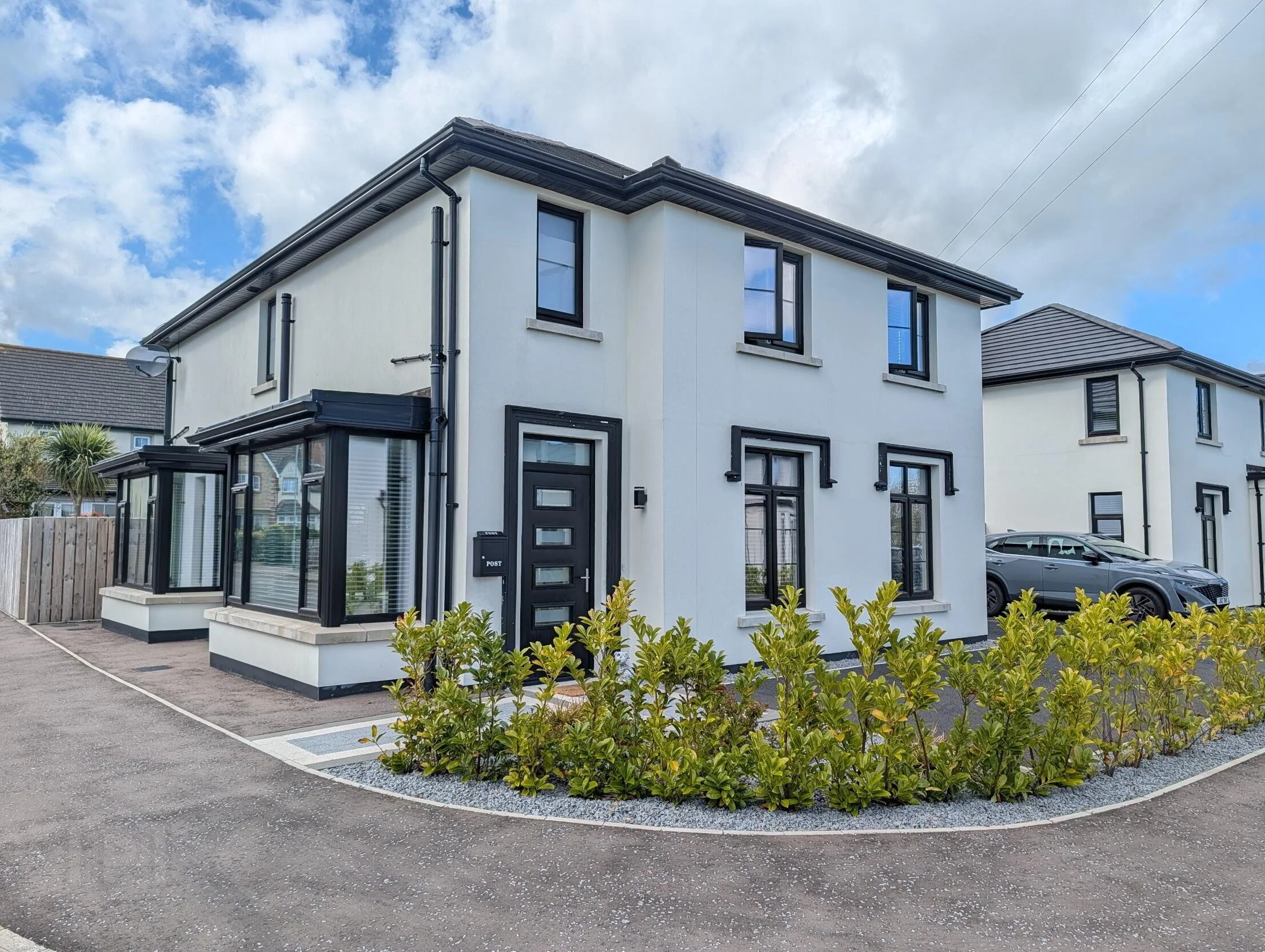
Tollymore Brae was a residential development site on Tullymore Road, Newcastle, which had previously been viewed as difficult to develop due to a combination of planning, environmental and infrastructure constraints.
The site had been left over from a larger residential development and had remained undeveloped. On initial review, there appeared to be several issues affecting its potential, including landscape policy constraints, historic flood risk concerns, reservoir inundation zoning and limited wastewater capacity.
Through detailed planning due diligence, early engagement with the Council, and a practical infrastructure solution agreed with NI Water, we were able to unlock the site’s development potential and secure planning approval.


The challenge
The site presented a number of complex constraints.
It was located within a Local Landscape Policy Area, meaning any proposal needed to respond carefully to the surrounding character and landscape setting. The site had also previously been identified as being within a floodplain, although ground levels had been raised as part of earlier development works.
In addition, the local development plan had identified the area as potentially falling within an inundation path associated with Lough Island Reavy Reservoir. There were also significant wastewater infrastructure issues, as the local sewer network was already at capacity.
These constraints had led previous parties to conclude that the site would be extremely difficult, or potentially impossible, to bring forward for development.
Our approach
We began by carrying out a detailed planning and technical review of the site. This included examining the planning policy position, flood risk history, reservoir designation and wastewater capacity issues.
Our knowledge from another nearby project confirmed that the reservoir certification position had changed, meaning the inundation constraint could be revisited. We also held positive pre-application discussions with the local Council, who accepted that the principle of residential development could be supported, subject to design and mitigation.
This early engagement helped establish a clear route through the planning process.
Solving the infrastructure problem
One of the key barriers was wastewater capacity. Following engagement with NI Water and the preparation of a wastewater impact assessment, NI Water requested a stormwater offsetting solution.
We investigated the surrounding area and identified several nearby properties where stormwater was discharging into the combined or foul sewer network. A proposal was then developed to redirect this stormwater away from the foul system and into an existing storm sewer.
This reduced pressure on the foul network and created the capacity needed to support the proposed development. The solution was agreed with NI Water and became central to unlocking the site.
Managing local concerns
There was some local opposition to the proposal. We engaged with residents and explained that the development would be brought forward in a respectful and carefully considered way.
Design concerns were addressed through the planning process, with the proposal refined to respond appropriately to the site context, surrounding properties and landscape setting.
The result
The application was recommended for approval by the planning officer and was presented to the planning committee. We addressed the committee and set out why the proposal was acceptable in planning terms, including how the key constraints had been resolved.
The committee accepted the recommendation and approved the application.
The project also secured Article 161 approval from NI Water, confirming the ability to connect to the sewer network. With planning permission and infrastructure approval in place, the site achieved a significant uplift in value and was successfully positioned for sale as a consented residential development opportunity.
Project outcome
Tollymore Brae demonstrates how constrained sites can often be unlocked through detailed due diligence, early engagement and practical problem-solving.
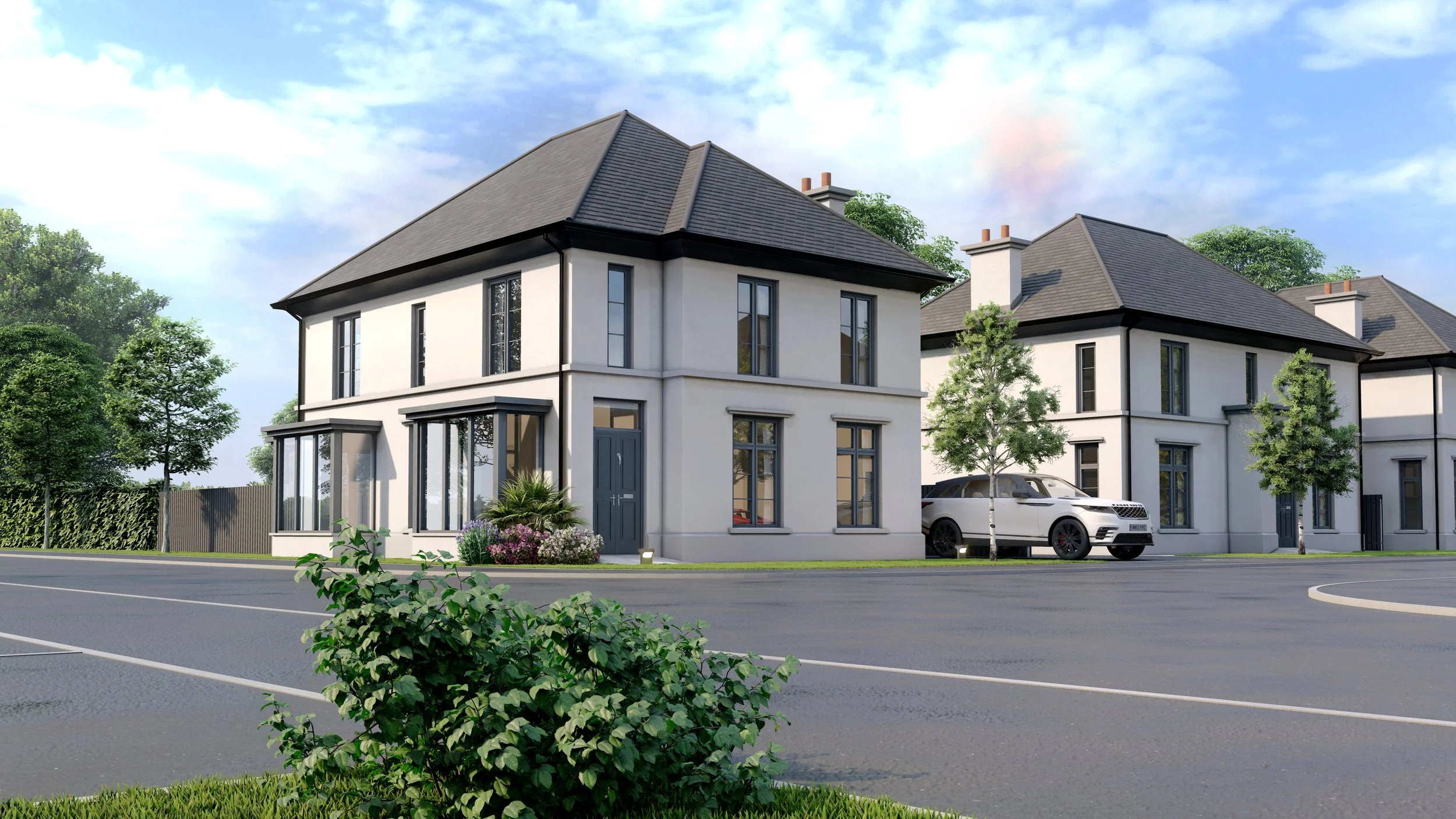
What had previously been seen as a difficult residual parcel of land was transformed into a viable residential development site with planning approval and sewer connection approval in place.
A constrained residential site at Tollymore Brae, Newcastle, was unlocked through detailed planning due diligence, early Council engagement and an agreed stormwater offsetting solution with NI Water. Despite landscape, flood risk, reservoir and wastewater constraints, the project secured planning approval and sewer connection approval, creating a significant uplift in land value.
Key services provided
Planning due diligence
Site constraint analysis
Pre-application engagement
Wastewater impact strategy
NI Water liaison
Stormwater offsetting solution
Community engagement
Planning application management
Planning committee representation
Development value enhancement