
Case Study:
Gravelhill Road
Project
Unlocking hidden development value from land marketed as a paddock.
Location
Gravelhill Road, Lisburn, County Antrim, Northern Ireland
The lands to the rear of 39A Gravel Hill Road, Lisburn, were originally marketed as a paddock. However, through detailed planning due diligence, we identified that the site had significant residential development potential.
At the time, the local planning policy context was complex. The Belfast Metropolitan Area Plan had been quashed following judicial review, which meant the Council continued to rely on a combination of the draft Belfast Metropolitan Area Plan and older historical plans, including the Lisburn Area Plan. This made it difficult to establish the correct zoning position without detailed investigation.
By reviewing the relevant historical and draft planning documents, engaging early with the Council, and resolving key access and drainage constraints, we secured planning approval for a high-quality residential development and created a significant uplift in land value.
The challenge
At first glance, this site did not appear to represent a residential development opportunity. It was being marketed simply as a paddock, and the planning position was far from straightforward due to a complex and evolving policy framework. Before any development potential could be established, a detailed assessment of the planning history, zoning designations and emerging policy context was required to determine whether residential development could be supported in principle.
The project involved overcoming a number of significant challenges, including identifying the correct zoning status of the land, interpreting overlapping historic and draft planning documents, and establishing the acceptability of residential development. In addition, access constraints had to be addressed, a suitable wastewater solution identified in the absence of a direct network connection, and the potential impact on neighbouring properties carefully considered. Through a comprehensive planning appraisal and strategic engagement with key stakeholders, the site’s development potential was successfully evaluated and progressed.
Our approach
We requested and reviewed hard copies of the relevant historical planning documents, together with the draft Belfast Metropolitan Area Plan and the Lisburn Area Plan. This review confirmed that the site had a favourable zoning position and could support residential development.
Following this, we moved quickly to secure the house and land. A pre-application discussion was then held with the local Council, which confirmed that the principle of residential development could be accepted.
This early planning confirmation gave the project a clear route forward and provided the confidence needed to raise investor funding and acquire the site.
Solving the problem
The existing access arrangements were not ideal. We therefore obtained advice from transport planners and transport engineers to establish whether an acceptable access solution could be designed.
A suitable access proposal was prepared and included within the pre-application submission to the Council. This meant that transport and access issues were addressed early in the process.
The site also had no direct wastewater network serving it. To overcome this, we negotiated an easement with five adjoining landowners. This allowed a stormwater pipe to be laid approximately 200 metres through neighbouring lands and connected into a local watercourse.
This drainage strategy was essential in making the development deliverable.
The result
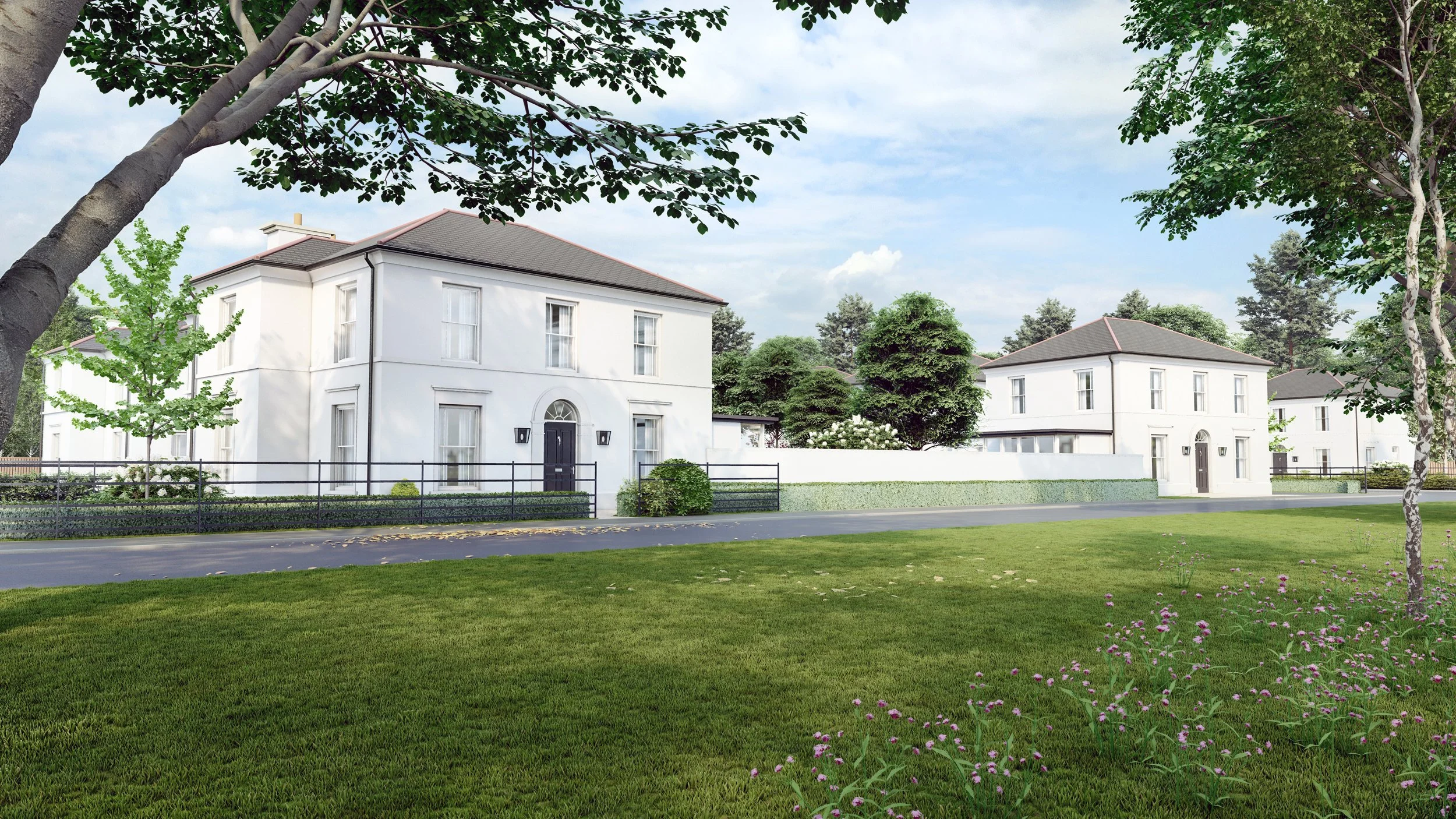
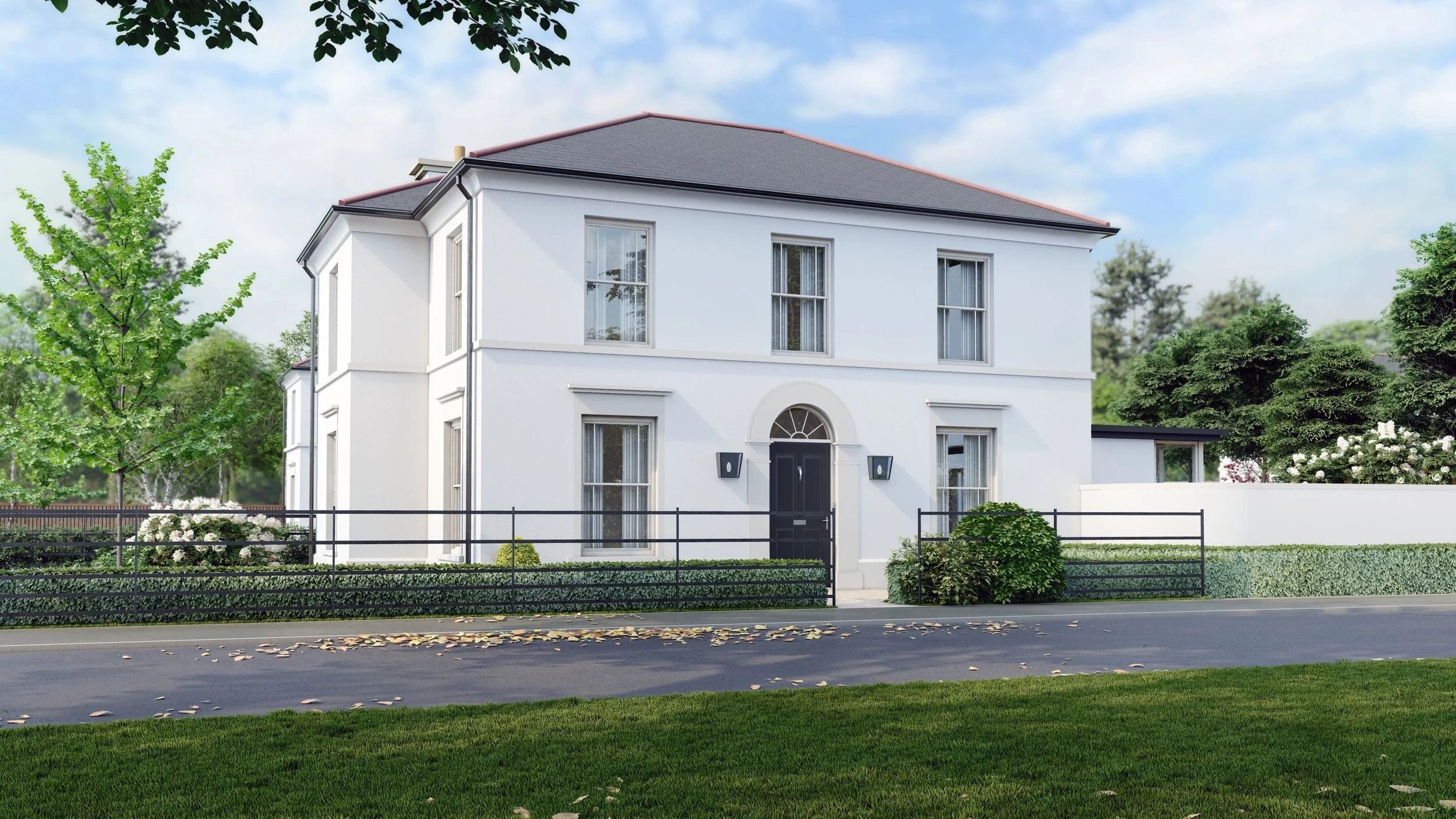
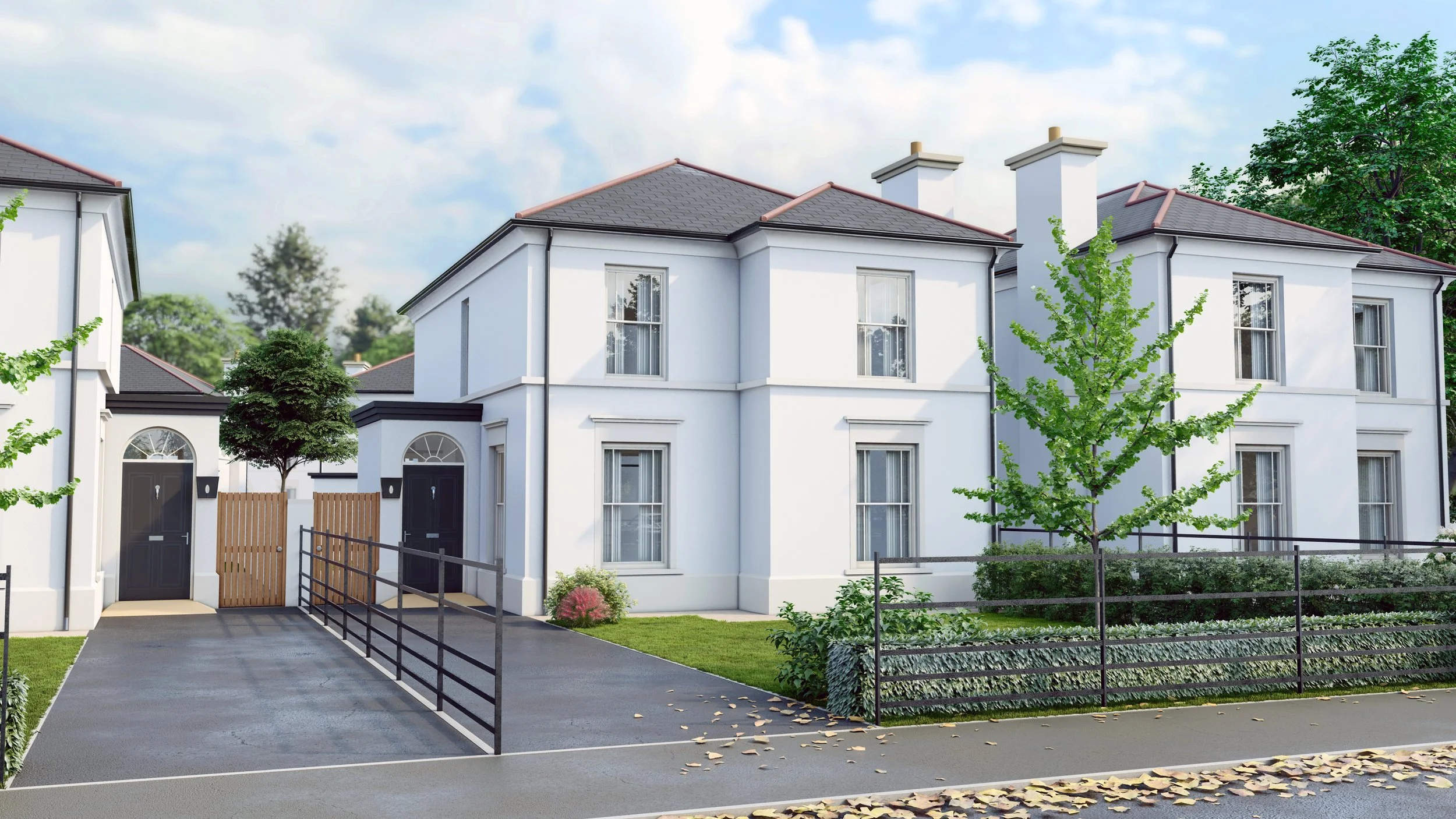
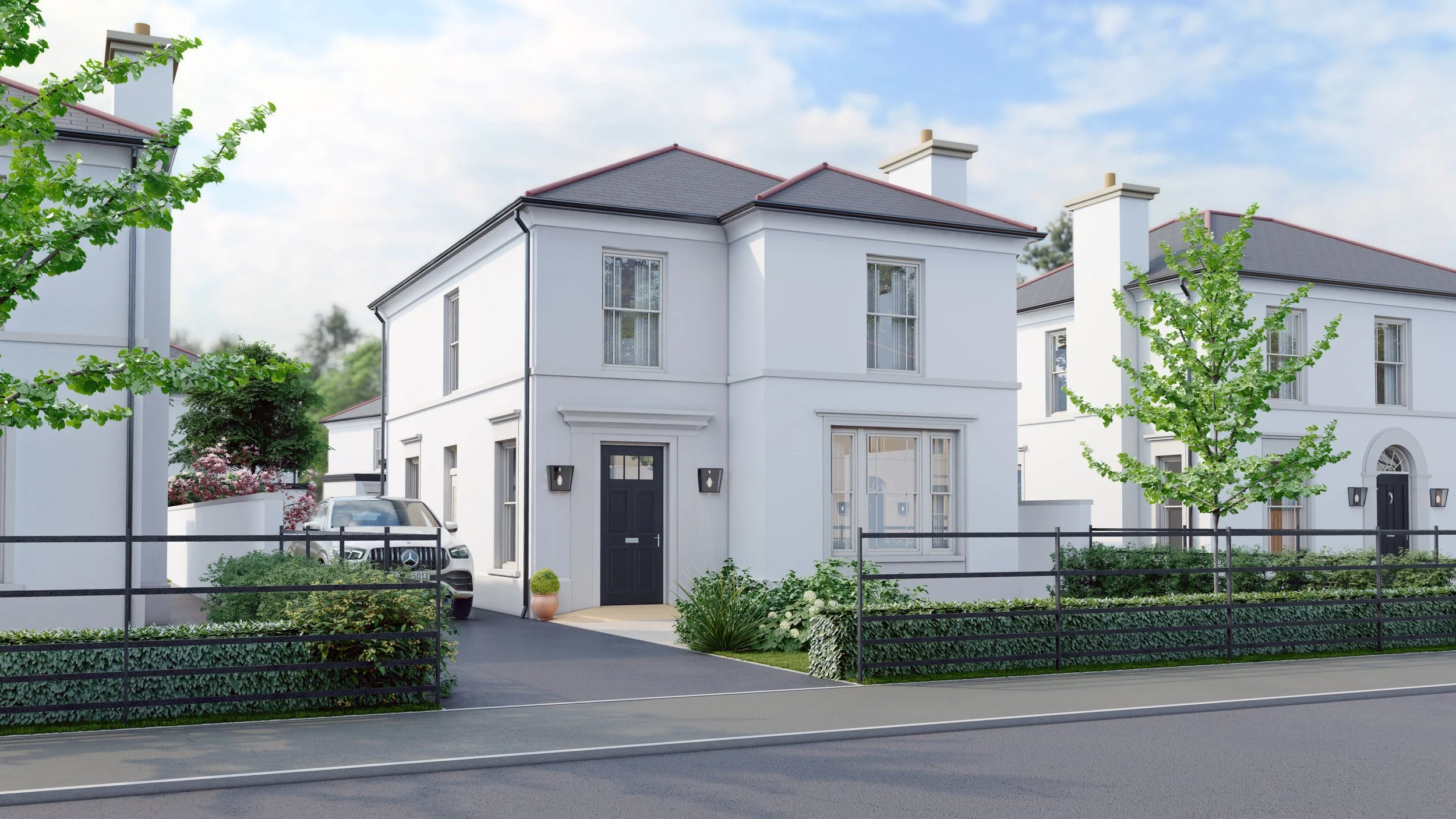
Planning permission was secured for nine luxury detached dwellings and the retention of the existing dwelling.
The application was approved within a positive timeframe. Following approval, the site was sold with the benefit of full planning permission and the necessary drainage easement arrangements in place.
This created a significant uplift in value and delivered a strong commercial return.
Project outcome
This project demonstrates the importance of detailed planning due diligence and early technical assessment.
What appeared to be a paddock was identified as a valuable residential development opportunity. By confirming the zoning position, securing Council support, resolving access and drainage constraints, and engaging constructively with neighbours, the site was transformed into a consented luxury housing development.
Key services provided
Planning policy review
Historical area plan research
Zoning analysis
Pre-application engagement
Investor funding support
Site acquisition strategy
Transport and access coordination
Drainage strategy
Easement negotiation
Neighbour consultation
Planning application management
Development value enhancement